




People with disabilities are often excluded from development research and programmes. But new research published in the IDS Bulletin ‘Building disability inclusive futures’ is shedding fresh light on the urgent need for disability‑inclusive development, highlighting both promising progress and persistent gaps that continue to leave millions behind.
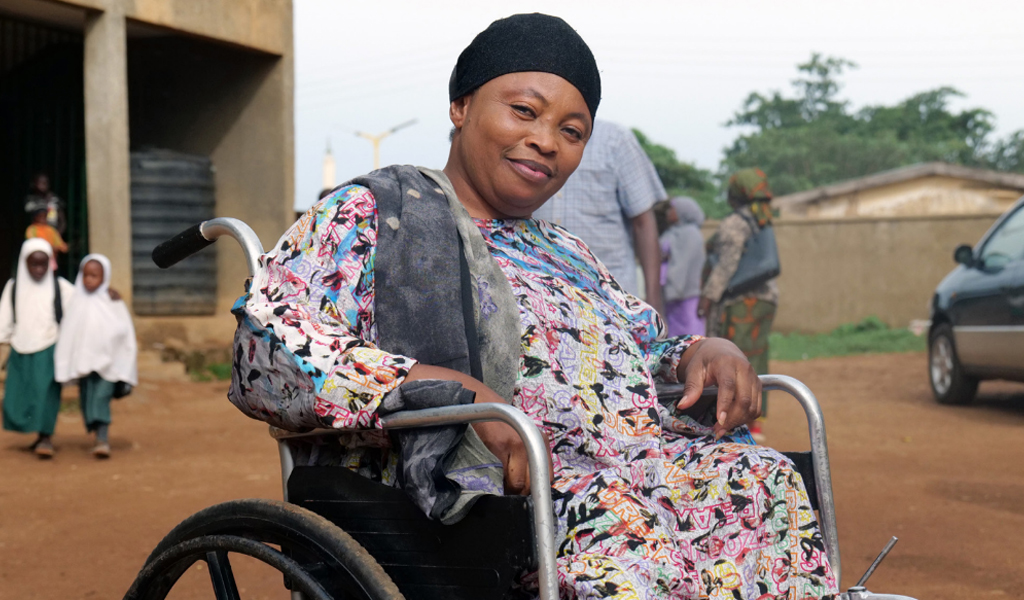
Disability is very much part of the human experience, with an estimated 16% of the world’s population experiencing significant disability. Despite this, people with disabilities often remain excluded or underrepresented in development programmes and research.
The UN Convention on the Rights of Persons with Disabilities defines people with disabilities as including those who have long-term physical, mental, intellectual or sensory impairments, which, in interaction with various barriers, may hinder their full and effective participation in society on an equal basis with others. Evidence suggests that discrimination due to disability continues to negatively impact people with disabilities around the world.
Disability Inclusive Development
In response to this concerning situation, the UK Foreign and Commonwealth Office (FCDO) funded a £49 million investment in the Disability Inclusive Development (DID) programme, which supported long-term improvements in well-being and inclusion for people with disabilities in low- and middle-income countries.
The aim of the programme was to use rigorous research to improve understanding of what works; and ensure that data and evidence continues to be used by governments and the international community to invest more, in better disability inclusion interventions. The programme is made up of an intervention component (DID Inclusive Futures which is led by Sightsavers and the International Disability Alliance) and a research component (PENDA which is led by the London School of Hygiene and Tropical Medicine).
A timely IDS Bulletin on an essential development issue
As the programme comes to an end in 2026, this is an opportune moment to reflect on the successes and challenges experienced by those involved in its delivery. This issue of the IDS Bulletin draws together the evidence, highlights lessons learned and the barriers the programme faced.
The IDS Bulletin has been in publication for almost 60 years, and this is the first issue to have an explicit focus on disability, indicating a recognition of the clear importance of including people with disabilities in development.
As an editorial team representing Sightsavers, the International Disability Alliance and IDS, we were particularly keen for the issue to document what works to improve outcomes for people with disabilities and make practical suggestions for action so that others working in development can make future development programmes, policies and research, disability-inclusive.
This issue is likely to be of interest to development researchers and practitioners working across a broad range of topics and areas. We believe that in development, disability cuts across related themes and foci, and as such, disability must be mainstreamed within development discourse, programming, and research if no one is to be left behind.
Partnerships, collaborations and contributions
The issue is made up of 13 original articles which have been written by collaborations of both researchers and practitioners working across Inclusive Futures, PENDA, and FCDO. This includes people with disabilities as well as representatives from Organisations of People with Disabilities. Strong partnerships, which was an essential feature of the DID programme, were also the foundation of authorship of this collection of articles.
The IDS Bulletin has an explicit focus on development practice, not just academic research. In this issue, the majority of contributing authors are development practitioners and activists who have worked closely with academic researchers to develop the rich content within, which is heavily grounded in disability-inclusive development practice. This is something we are celebrating and encourage you to engage with.
Working towards disability-inclusive futures
While significant progress has been made in recent years with regard to ensuring that development interventions are inclusive of people with disabilities, there is still so much to do before all development interventions are meaningfully inclusive. Deliberate actions are required to ensure that no one is left behind. The DID programme has shown what is possible but has also shown where efforts could be strengthened or barriers to progress remain.
Our goal for this issue was to go beyond just summarising what the DID programme achieved. Instead, we wanted the articles to highlight key lessons that can be used across the development sector to ensure that future programmes and research are inclusive of people with disabilities.
We argue that robust evidence is the key to achieving disability-inclusive development. We are proud that this issue contributes to that evidence base – showing what is known, suggesting what needs to be done, and highlighting persisting evidence and funding gaps. We hope you enjoy reading it as much as we enjoyed editing it.