
This year is the UN’s International Year of Rangelands and Pastoralists (IYRP 2026) and to mark it, a new blog series from the PASTRES project, hosted by IDS, shares insights on the importance of rangelands and pastoralism across the world.
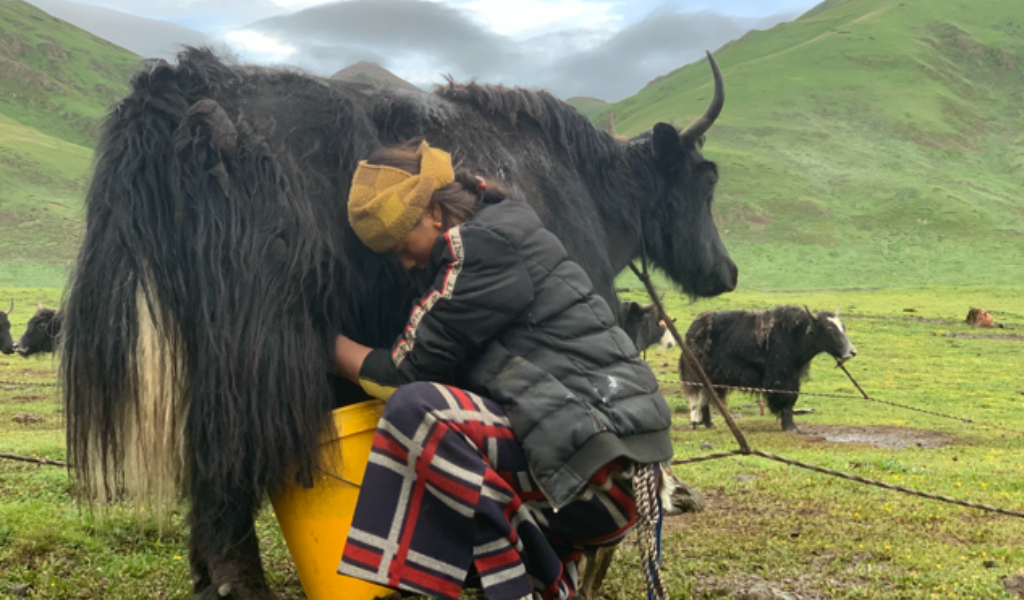
Drawing on the archive of materials produced by PASTRES (Pastoralism, Uncertainty, Resilience: Global Lessons from the Margins) over the six years that the project was active, the blog series helps to bust some myths around pastoralists and help shape a new positive narrative for pastoralism policy and practice.
The International Year of Rangelands and Pastoralists
Each blog, published once a month across the year, follows the IYRP monthly themes, and helps contribute to IYRP 2026 aims to build a strong global advocacy for pastoralism. The international year aims to:
- Increase public awareness of the societal value derived from rangelands and pastoralists.
- Promote pastoralist knowledge, innovation and coalition building to meet contemporary needs.
- Advocate for evidence-based policy and legislation that supports sustainable rangeland stewardship and pastoralist livelihoods.
- Foster ethical investment to address challenges confronting rangelands and pastoralists in the 21st century.
PASTRES research in China, Ethiopia, India, Italy, Kenya and Tunisia (and beyond through our network of affiliate researchers and postdocs) generated a new narrative on pastoralism, that rejected the simplistic framing of seeing pastoralists as in need of ‘modernisation’ and ‘development’. Instead, it showed, for example, how pastoralism is highly effective at dealing with issues of uncertainty, which is central to understanding pastoral systems.
From January to June this year, the monthly PASTRES blog series highlights different dimensions of what is often overlooked about pastoralism and pastoralists and what we can learn from them, in critical areas such as climate resilience, desertification and biodiversity loss.
January: A new narrative for pastoralism
This blog post introduces the international year, looks at what policy change is needed, and learning from the work PASTRES did to challenge several incorrect narratives and assumptions used in mainstream policy related to pastoralism.
Read the blog: A new narrative for pastoralism: Opening the 2026 international year of rangelands and pastoralists
February: Pastoral mobility
February’s theme was ‘mobility and access’ and this blog highlights how mobility matters, with the ability to move to respond to variable conditions central to pastoral strategies.
Read the blog: Why pastoral mobility is essential
March: Rethinking social and economic services
To fit with the month of ‘social and economic services’, this blog post highlights how standard approaches to social assistance, humanitarian aid, social protection, and insurance are often not well-suited to pastoral areas.
Read the blog: Rethinking social and economic services in pastoral areas
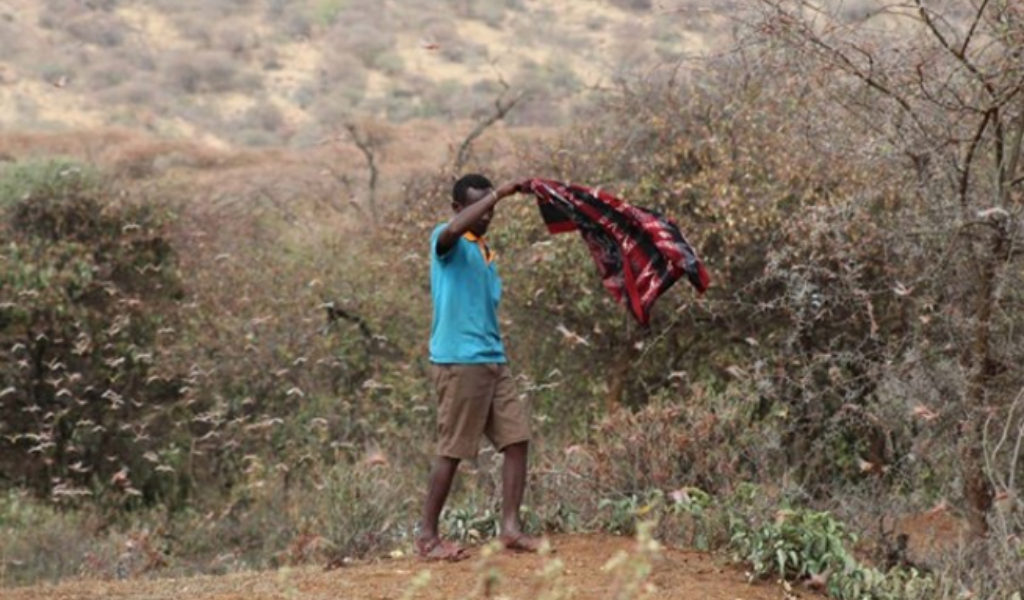
April: Pastoralists and climate change
This blog posts discusses how too often all livestock are lumped together as being bad for the planet but highlighting how pastoral livestock systems are very different to industrial scale livestock.
Read the blog: Pastoralists, climate change and rethinking resilience
May: Pastoralism and the environment
The blog post for May’s theme of ‘biodiversity and ecosystem services’ unpicks many of the misunderstandings about the relationships between pastoralist livestock keeping and the environment that confuse policymaking around the world.
Read the blog: Pastoralists as guardians of the environment
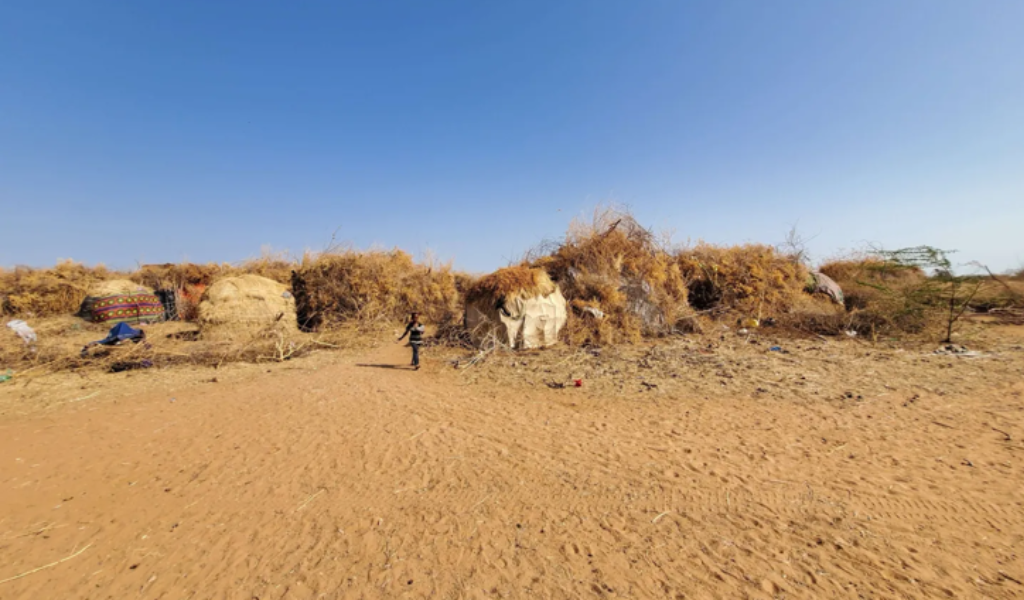
June: Desertification and sustainable land use
This blog post recaps the PASTRES critique of ‘desertification narratives’ in pastoral areas for the month of IYRP which focused on ‘Soils, Water Resources and Sustainable Land Use’.
Read the blog: Challenging desertification narratives
Read the full blog series, including the blog posts over the next six months on the PASTRES website.