
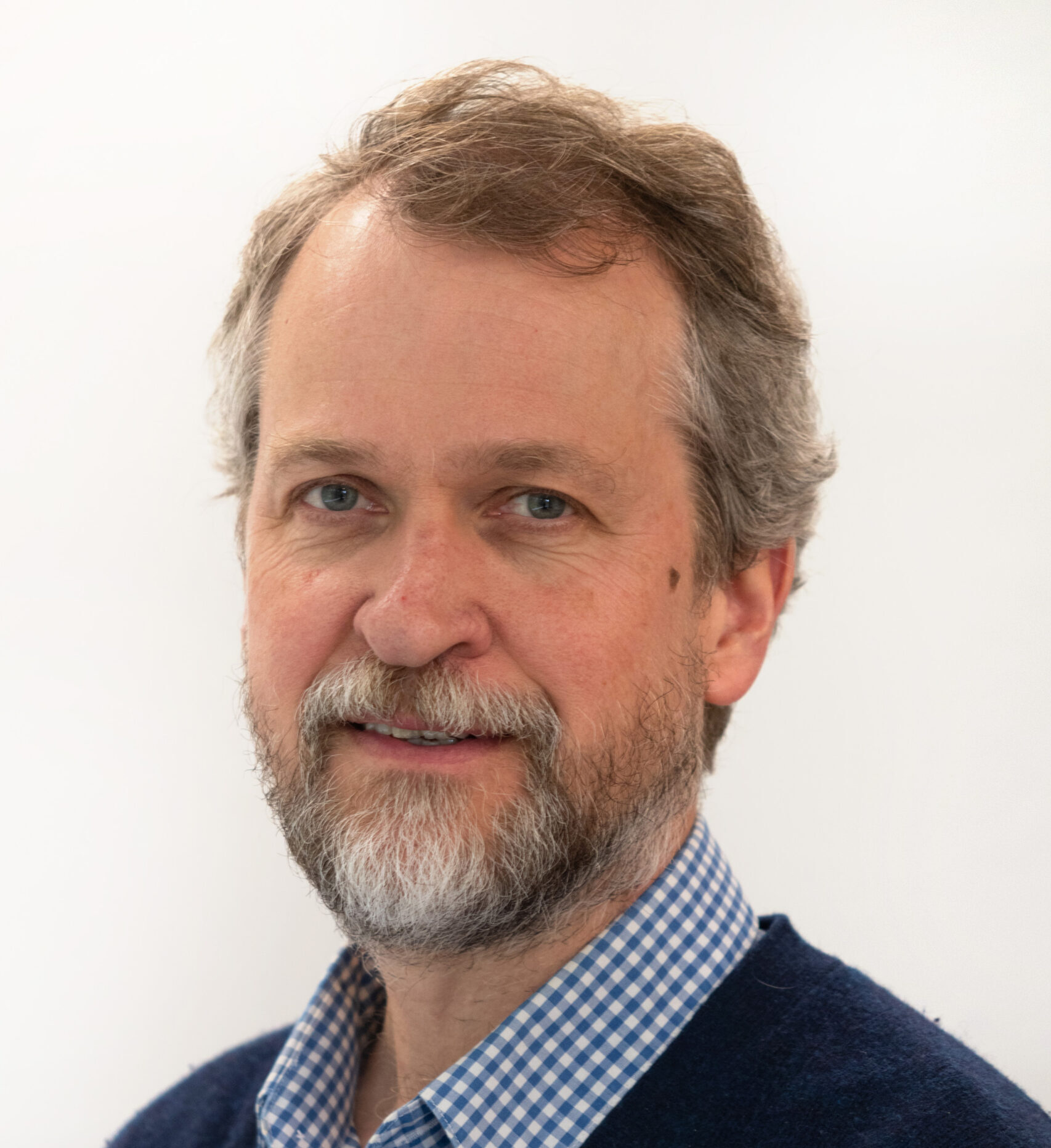
In addition to co-convening the MSc Climate Change, Policy & Development, Lars Otto Naess is a Research Fellow at IDS and a social scientist with more than 15 years experience with climate change, development and agriculture.

Study the challenges of moving to a low-carbon economy and adapting to climate change, and how they influence global and regional development. This Masters in Climate Change course is for non-specialists in the climate field. You’ll explore the interconnected dimensions of science and technology, and the economics, politics and policy of climate change.
Climate change and sustainable energy are among the most important issues of our time. The emphasis of this MSc is on understanding the implications of climate change and climate policies for equity between, and within, countries. You’ll gain specialist knowledge of the earth system and climate impacts, for example related to water, food and ecosystem services.
Based at the University of Sussex School of Global Studies, you’ll also learn from faculty in SPRU – Science Policy Research Unit and the Institute of Development Studies (IDS). Many of our graduates find employment in the climate profession.
The Institute of Development Studies (IDS) delivers world-class research, learning and teaching that transforms the knowledge, action and leadership needed for more equitable and sustainable development globally. IDS has been ranked first in the world for development studies, in partnership with the University of Sussex, for ten years running.
The academic year starts in September and has three terms.
This degree offers a wide choice of module options, allowing students flexibility to choose their area of interest and grow intellectually within the overall degree framework.
Core modules are taken by all students on the course. They give you a solid grounding in your chosen subject and prepare you to explore the topics that interest you most.
Alongside your core modules, you can choose options to broaden your horizons and tailor your course to your interests.
It may not be possible to take some module combinations due to timetabling constraints. The structure of some courses means that the modules you choose first may determine whether later modules are core or optional. This means that your core modules or options may differ from what’s shown below.
The links below will take you to the University of Sussex’s website to find out more about each module.
You can apply to take a placement with this course. On placement, you gain work experience related to your subject and practical skills in preparation for a professional career. Research placements run for up to 12 weeks in the summer term and vacation. You can also write your dissertation based on your experience.
The School of Global Studies and the Careers and Employability Centre will help you with your applications.

You should normally have an upper second-class (2.1) undergraduate honours degree or above. Your qualification should be in the natural or social sciences.
The course is taught in English. To derive the maximum benefit from the course, participants should be proficient in English and able to take an active part in discussions. The minimum requirement is, for example, an IELTS grade of 6.5 overall and no less than 6.0 in each section of the IELTS test. For detailed information on English language requirements for international students please see the University of Sussex website.
We’ll make all reasonable efforts to provide you with the courses, services and facilities as described here. However, we may need to make changes due to significant disruption.