


Ce blog est également disponible en français.
Ethical research embeds attention to safeguarding, particularly when involving young people as co- or peer researchers. Safeguarding aims to prevent that youth researchers experience any forms of harassment, abuse, exploitation, or violence due to their participation in the project, and to train them in the ethics surrounding the research they conduct.
In the Pathways for Vocational Training and Informal Learning in West Africa (PAVTIL) project we work with four to six youth co-researchers in our research sites in Benin, Côte d’Ivoire and Ghana to shift some power over to youth to define research questions, convey concerns in ways that align with their everyday lives, and participate in some of the analysis. This blog shares lessons from Côte d’Ivoire on the importance of context-specific safeguarding.
Our youth co-researchers have engaged in Photovoice – storytelling through several rounds of photography conveying their perspectives on a topic they had identified collectively as important. While research ethics and safeguarding was a component of their Photovoice training, the bigger safeguarding issue emerged when planning a workshop to bring four youth co-researchers from each country together in Ghana to do collaborative analysis.
Seeking appropriate permissions
In the Ivorian context, a culturally appropriate safeguarding protocol involves seeking the permission of parents or guardians to bring young people to another country even when they are in their twenties, helping them to obtain the necessary travel documents and vaccinations, and ensuring their well-being during the trip. These steps aim to protect the youth co-researchers, as well as the researchers who could be accused of trafficking. In line with UK funding and institutional requirements, a project-specific channel for safeguarding and complaints had already been agreed with a local contact person for the duration of the entire project due to the absence of formal, state-led channels. Adhering to our safeguarding protocol taught us valuable lessons that must be incorporated into research design and funding applications.
Seeking permission is not as simple as presenting information about the project and obtaining parental consent. To be respectful and trustworthy, it must be done in person. The four youth co-researchers had different preferences regarding who we needed to obtain consent from. For one co-researcher, we travelled to two different hamlets in the hinterland to ask permission from a paternal uncle and a maternal grandmother. Each journey took 8–12 hours and required the customary greeting gifts. For another co-researcher, we asked the master craftsperson for permission during one of our many visits to the workshop. The father and the master craftsperson of a third co-researcher performed a beautifully choreographed theatre piece to demonstrate their shared guardianship of a young apprentice before giving their consent for the journey. This performance emphasised the importance of informing and asking permission from the various people involved with the youth co-researchers, and the need to allocate sufficient time and resources to this safeguarding element.
Obtaining necessary travel documentation
Helping the young co-researchers to obtain national identity cards (which serve as sufficient travel documentation within ECOWAS for overland travel) involved much more than covering the costs of stamp duties and application fees. Of the four co-researchers, only one had a national identity card. Despite starting the process in November 2025, none of them had obtained the card by mid-April 2026.
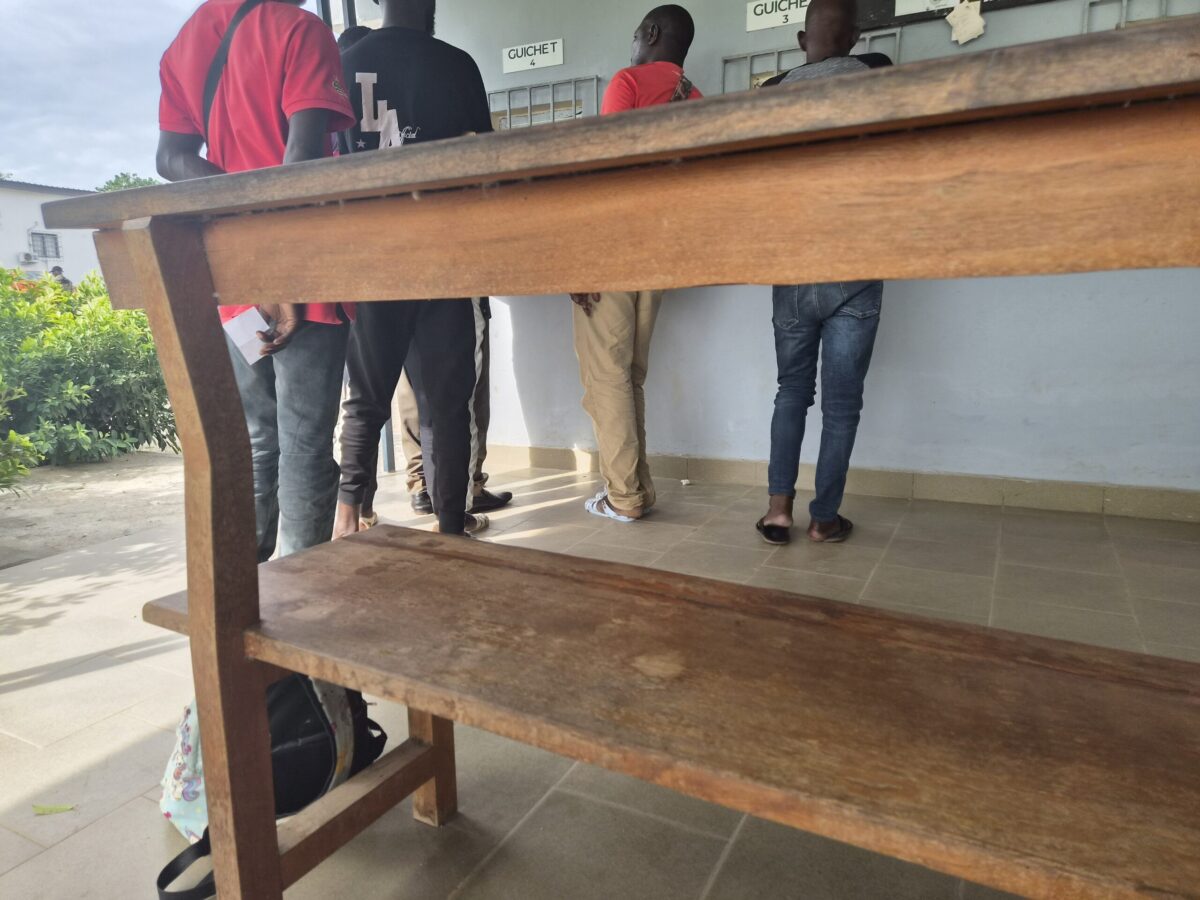
One case demonstrated severe limitations to our safeguarding abilities in a context of systematic disregard for young people from rural backgrounds. Despite accompanying the co-researcher to different public offices to advance their ID card application, they were asked to sweep the floor in one office before any information was shared. We needed mediation by a senior civil servant to find out why their application had been blocked.
We had to travel to a neighbouring district by “Gbaka” (bush taxi) twice to obtain the necessary paperwork to rectify an error made when their birth certificate was issued. Throughout this process, the co-researcher was subjected to insults about their parents being ignorant and fraudulent, even though they were not responsible for the error on the birth certificate. In one office, I was told to ‘just choose another youth to travel with us’, as if our co-researcher was expendable. However, in another office a secretary did his best to explain the procedures and keep the applicants patient while waiting for hours and often days for the document required to proceed to the next step.
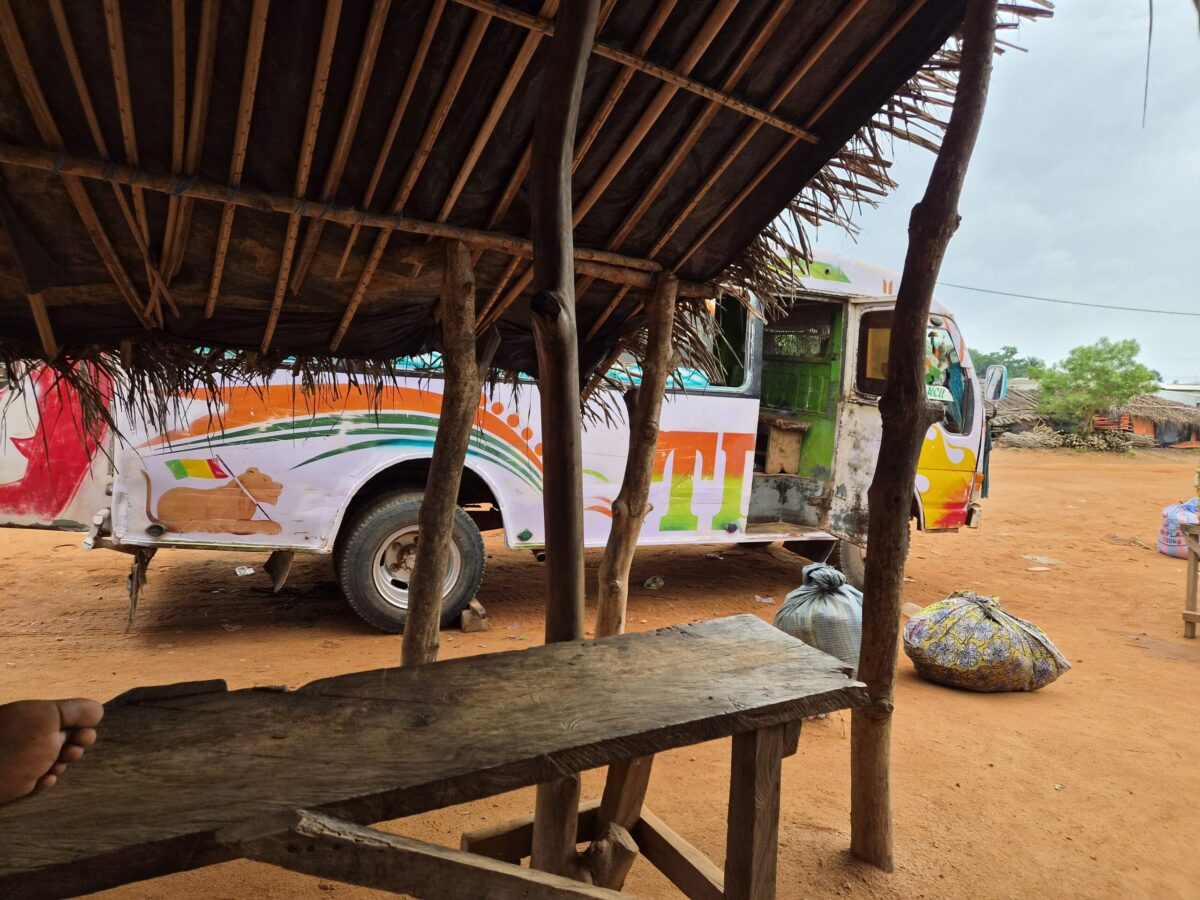
Although we were unable to protect the youth co-researchers against structural injustices, our safeguarding measures provided encouragement through unwavering support and by sharing the journey, waiting time and frustration. When the travel day arrived, we set off with the four co-researchers as planned, albeit two of them only had temporary identity cards. All of us arrived at the destination in Ghana.
Wellbeing during travel
Ensuring the wellbeing of the co-researchers during the trip was complicated by an accusation of theft between two co-researchers who were sharing a room. Despite action being taken to defuse the situation and prove the accusation wrong, it persisted and was followed by threats of witchcraft.
Considering this to be incredibly worrying for the immediate and long-term wellbeing of the other co-researcher, we rearranged the room allocations and reassured them that we were concerned for their well-being by moving them into a room with one of the researchers from the Ivorian team. During the rest of the workshop, we advised the accuser to retract their accusations and engage with the co-researchers from three countries. However, due to safeguarding concerns, we ceased working with this co-researcher upon our return to Côte d’Ivoire.
Protocol vs practice
A culturally appropriate safeguarding protocol highlights issues that are rarely discussed in relation to participatory approaches involving young people as co-researchers. Lessons learned in Côte d’Ivoire reveal that considerable additional time and financial resources must be allocated to safeguarding to prevent researchers from having to make trade-offs between the safety and wellbeing of young co-researchers and other components of the research project. They also demonstrate that safeguarding frameworks issued in countries with robust institutional procedures and reporting channels fail to acknowledge the in-depth contextual knowledge required for developing the protocol and the need for flexible adjustments.
Developing a thorough protocol allowed us to adapt to the specificities of our field site and to arrange for a local safeguarding point. It is important to note that rigid protocols prepared in countries distant from the research context do not prepare you for the number of people who need to be involved in the consent process, nor for the structural challenges encountered in practice. Nevertheless, researchers often have to justify their adapted risk assessments against standardised protocols and provide extensive explanations.