With world leaders meeting at COP31 this week, IDS researchers warn that protecting the most vulnerable from extreme weather – made more frequent and intense by climate change – needs more than technical solutions such as early warning systems.
Instead, greater emphasis needs to be placed on navigating social conditions and overcoming systemic challenges – for example, understanding the underlying factors that create vulnerability to extreme weather, making warnings relevant to people’s circumstances, and building resilience in the institutions that enable action.
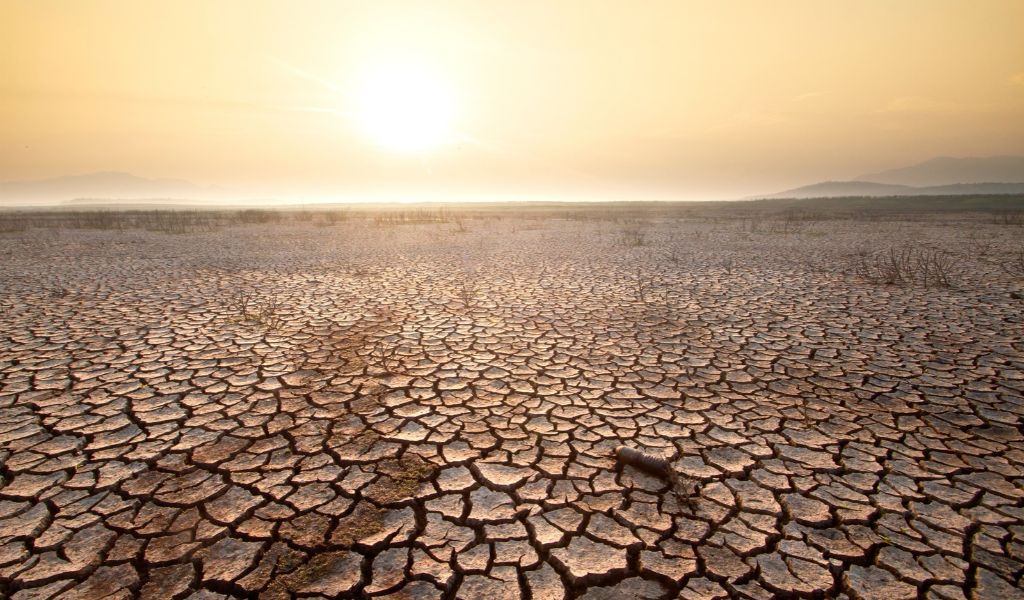
Extreme weather is no longer a future risk. Climate change fuelled record temperatures across the world this year, bringing drought and more frequent and severe storms and floods. Wildfires also raged across Europe and elsewhere, with fires currently burning across Indonesia.
As the World Meteorological Organization (WMO) predicts that a strong El Niño will make 2027 the hottest year yet, discussions are turning to adaptation and heat protection strategies. IDS researcher Annie Wilkinson argues that whilst exposure to extreme heat is partly meteorological, that vulnerability to heat, is also driven by social, economic and political factors.
Build heat protection into everyday lives
Two IDS research projects (If Cities Could Speak and Urban Futures) examine dimensions of vulnerability in informal urban settlements and have repeatedly shown how risks accumulate in particular places and lives. Heat adds another layer to these existing pressures, it is not a separate hazard.
Annie Wilkinson, research fellow, IDS, says:
“A warning cannot overcome unsafe housing or the need to earn a living, and identifying those at risk does not itself secure the support they need.
“During COP31, growing recognition of extreme heat must therefore lead to more than a proliferation of plans, technologies and warning systems: it must change the conditions that leave some people unable to protect themselves.”
Wilkinson recommends that along with improving heat data, forecasting and early warnings, and strengthening the evidence on which interventions work, institutions need clear responsibilities and capabilities to act on that knowledge. In addition, protection from extreme heat must be built into everyday working conditions, housing and public services rather than it being treated as an intermittent emergency response.
Read the full IDS Opinion by Annie Wilkinson on why ‘Coping with extreme heat requires more than technical solutions.’
Climate preparedness for the most vulnerable
Shibaji Bose, an independent consultant and Shilpi Srivastava, IDS Research Fellow, who work on research sites in India also point out that hazards, such as extreme heat, “overlap with changing livelihoods, uneven infrastructure, social inequalities and fragmented administrative responsibilities”. They argue that this mix of climate change and human caused factors is increasingly impacting the most vulnerable.
Building on the point that COP31 needs to provide action beyond technological solutions, Bose recommends that to support those most vulnerable to climate extremes, climate finance must fund the maintenance, staffing, coordination and institutional learning around infrastructure or technology. For example, an early-warning network will only work as well as the institutions and people responsible for maintaining it.
These are the early findings being drawn from the RELIABLE project, funded by a UKRI Future Leaders Fellowship, and led by Shilpi Srivastava, which is reimagining preparedness under climate extremes – including heatwaves. Working in sites in India and the UK, the project is exploring and testing strategies for climate preparedness that are particularly attuned to the uncertainties causes by changing climate and environmental factors, and social and political factors, that people live with on an everyday basis.
Read the full IDS Opinion by Shibaji Bose and Shilpi Srivastava about ‘Why climate action at COP31 and beyond must be built on reliability’.
Create more heat-resilient communities
Understanding which heat adaptations work best in different settings is a key priority, particularly in low and middle-income countries.
HeatNexus is a network of nine projects which IDS supports in areas such as cross-project learning and research synthesis – to ensure that the collective knowledge from across the network makes the biggest difference as possible for communities most vulnerable to rising global temperatures.
The projects In Africa, are testing interventions such as cool, reflective roofs, natural ventilation and urban greening to understand what happens when solutions meet local realities, housing types and populations.