
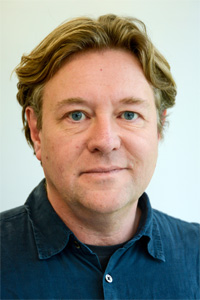
Alex Shankland
Research Fellow
Key Expertise
Geography
Alex Shankland is a social scientist who has worked for more than two decades on health systems, indigenous and minority health, civil society, accountability, political representation and local governance, particularly in Brazil and Mozambique.
He has convened the IDS Brazil Initiative and co-convened the Accountability for Health Equity Programme. His current research interests centre on theories and practices of democratic representation, accountability and citizen-state engagement, with particular reference to the political strategies of indigenous peoples and other marginalised minorities engaging with health, energy, development and climate change policies, and to the role of unruly politics in a context of changing civic space.
Alex is currently Lead Principal Investigator for the Trans-Atlantic Platform funded project Building Back Better from Below: Health and Food Justice Beyond the COVID-19 Pandemic, having previously been PI of the British Academy funded project Just Transitions in Africa’s Oil and Gas Producing Regions (2021-22) and of ESRC/DFID funded project Vozes Desiguais / Unequal Voices: the Politics of Accountability for Health Equity in Brazil and Mozambique (2015-2018).
In addition to ongoing work on the health system in Mozambique with the FCDO-funded POTENCIAR programme, Alex has worked extensively on Mozambican social accountability and democratic governance initiatives, including Diálogo, the Citizen Engagement Programme(CEP), and several projects under the Action for Empowerment and Accountability (A4EA) research programme.
Alex has also worked extensively on the roles of Brazil and other rising powers in reshaping international development cooperation, and co-founded the IDS Rising Powers in International Development research programme, which is now being taken forward with colleagues from across the University of Sussex campus under the umbrella of the Centre for Rising Powers and Global Development. He is a member of the Working Group on Shared Societies of the Club de Madrid Brazil Policy Dialogue.
An experienced manager of international and interdisciplinary research and consultancy programmes, prior to completing his DPhil Alex was IDS Research Manager for the DFID-funded Development Research Centre on Citizenship, Participation and Accountability and Coordinator of the IDS-led consortium responsible for the redesign of Brazil’s health system for indigenous peoples. Before coming to IDS he worked extensively as a journalist, NGO project and programme manager, independent researcher and social development consultant, mainly in South America (especially Brazilian Amazonia) and Southern Africa.
Alex currently co-supervises three PhD students, who work on activism and regenerative approaches in civil society (Lúcia Nader) and on changing state-citizen relations in Mozambique and Angola (Egídio Chaimite and Edmilson Ângelo). He is particularly interested in hearing from prospective PhD candidates who are proposing to focus in their research on Brazilian development experiences and/or the changing dynamics of social movement action and political representation, particularly with reference to indigenous and traditional peoples.